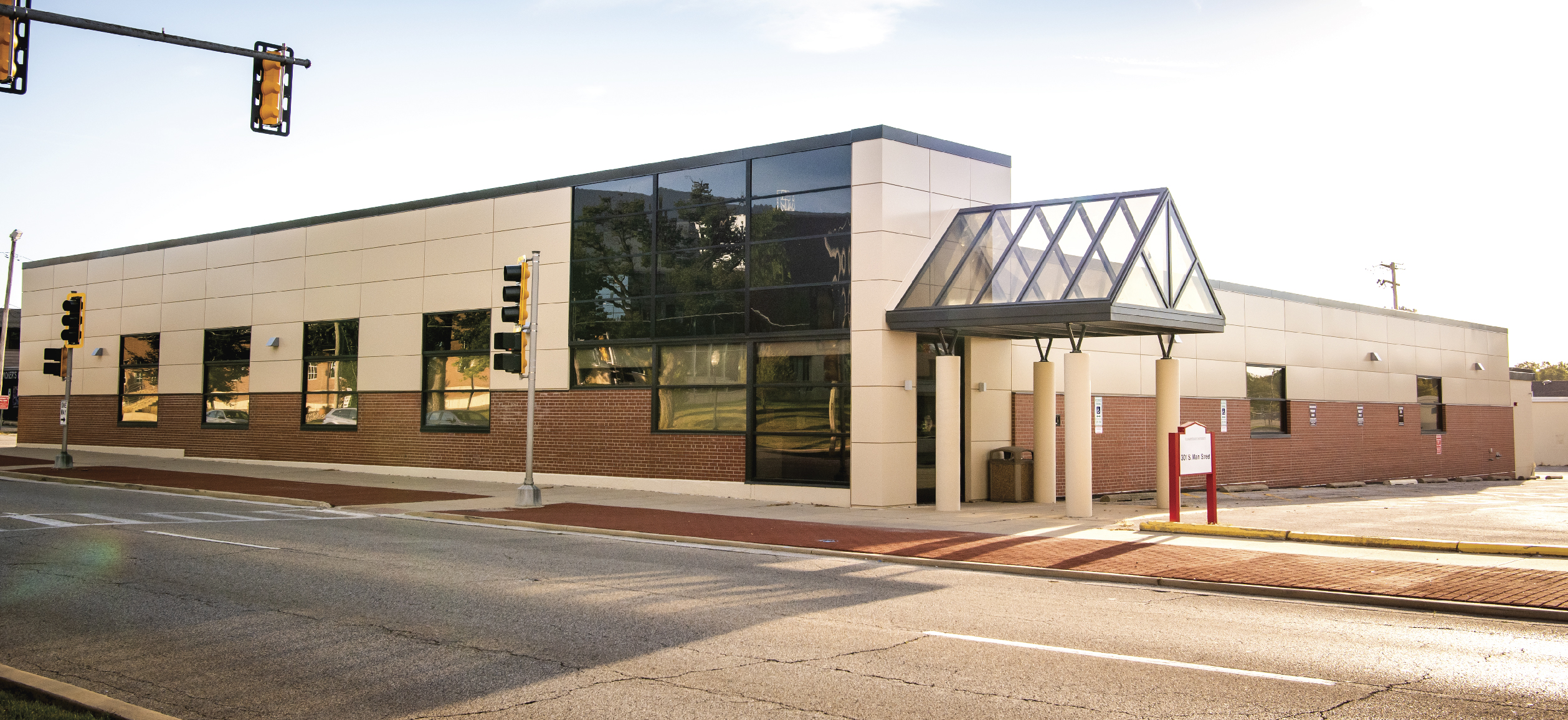
Established in 1924, Morton College is the oldest community college in the United States. In preparation for its centennial anniversary, the College initiated a campus‑wide exterior improvement program to transform its physical environment. The project focused on strengthening campus identity, reducing hardscape, expanding green space, and enhancing the campus as a welcoming community asset.
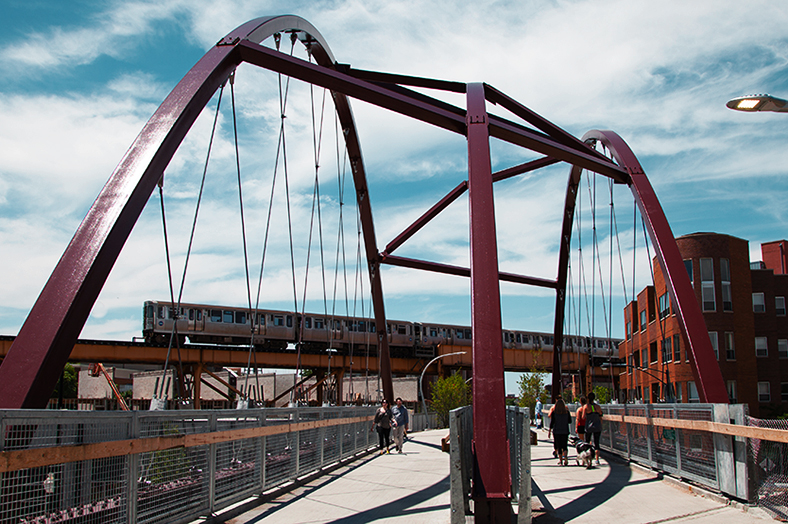
Primera provided civil, structural, architectural, landscape architecture, lighting, and electrical design services for the multi‑phased improvements. Paving upgrades were designed throughout the campus, including the replacement of existing concrete with decorative unit pavers, permeable pavements, and integrated landscaped areas that support both aesthetics and long‑term sustainability.
Architectural and structural design services were also provided for new gateway identity signage at each of the College’s three vehicular entrances, as well as primary street identity elements. These features include lighted signage and accommodations for motorized gates, creating formal, cohesive, and secure entryways to campus.
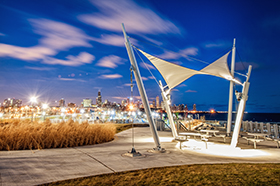
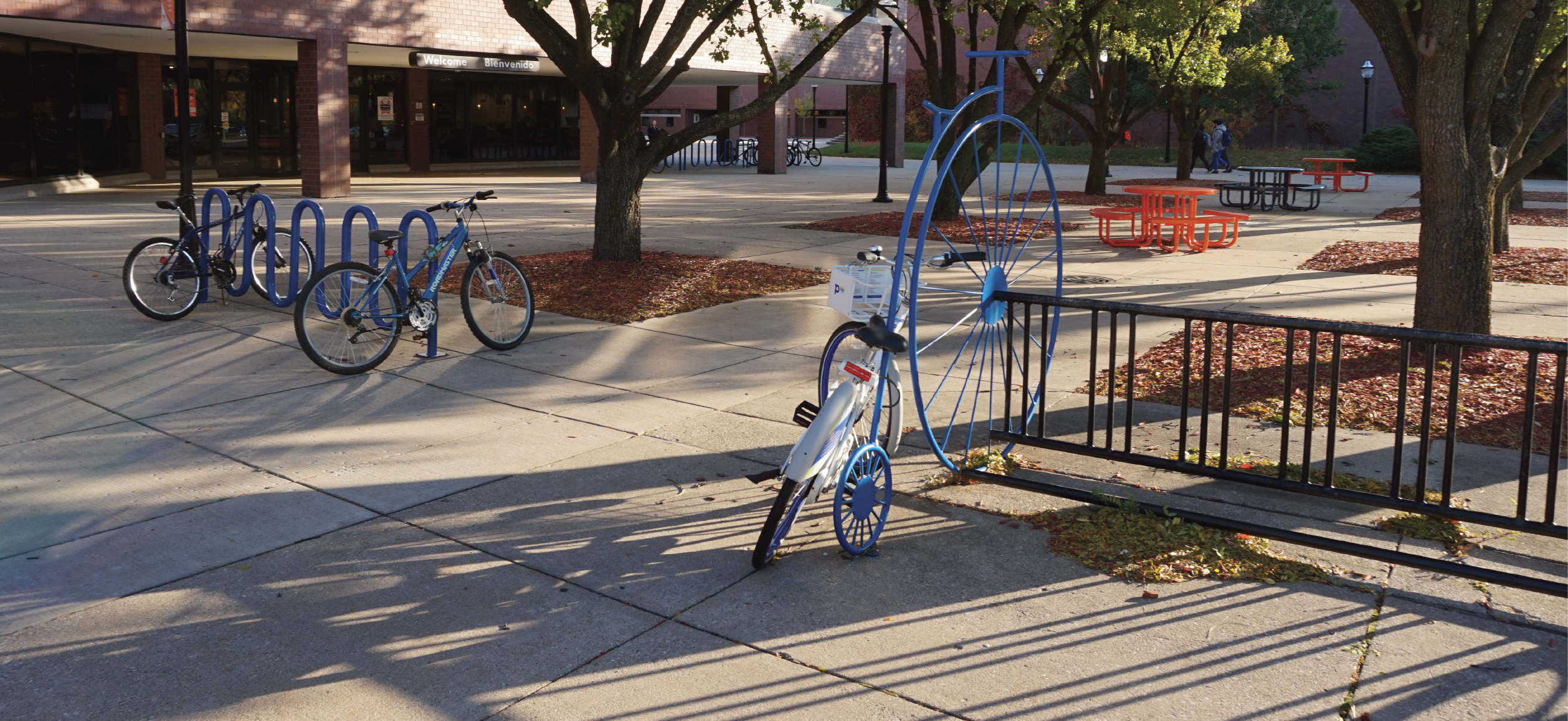
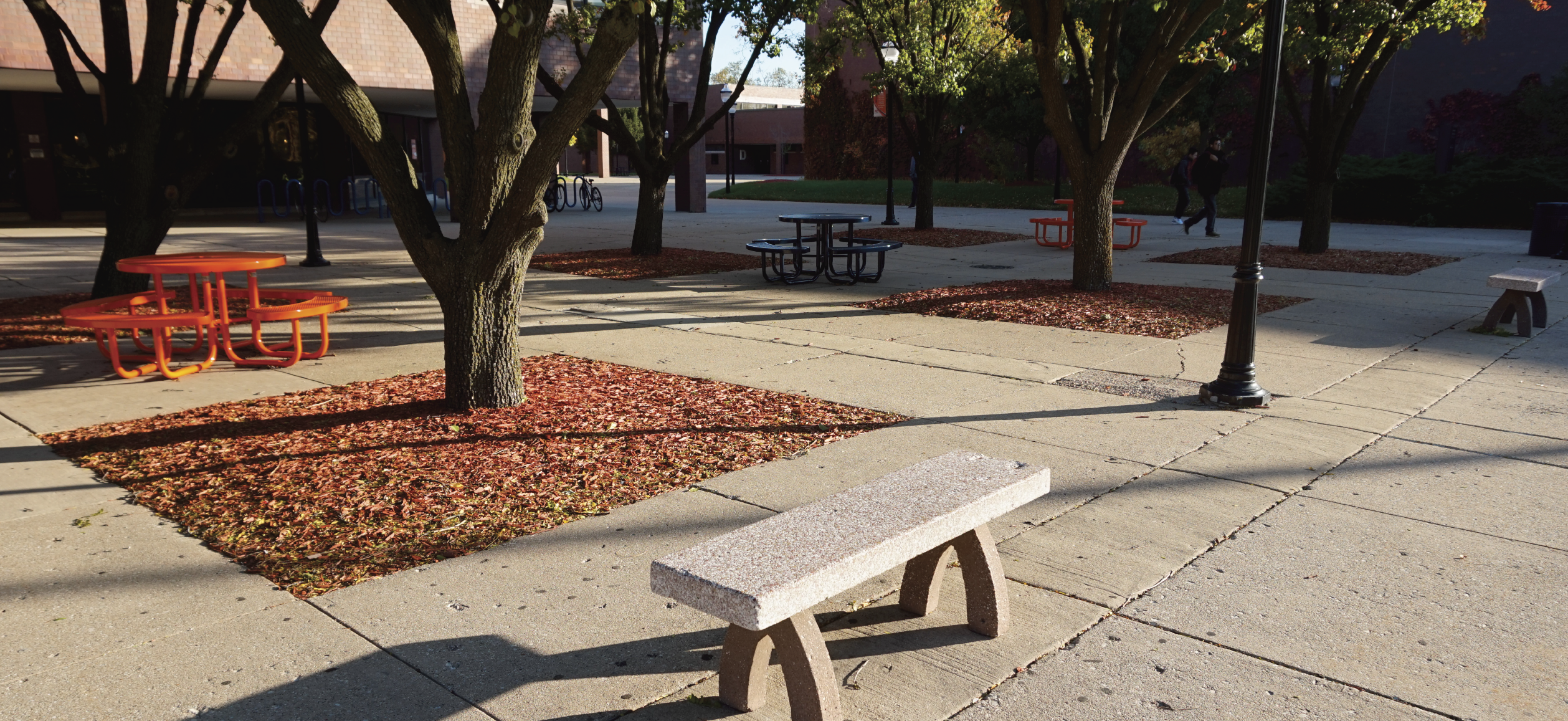
The project introduced a range of outdoor amenities designed to encourage use of campus open spaces, including custom seating elements and power‑charging stations for phones and computers. An outdoor instructional area with amphitheater‑style seating and electronic display capabilities is planned as part of the improvements, supporting both academic instruction and community programming.
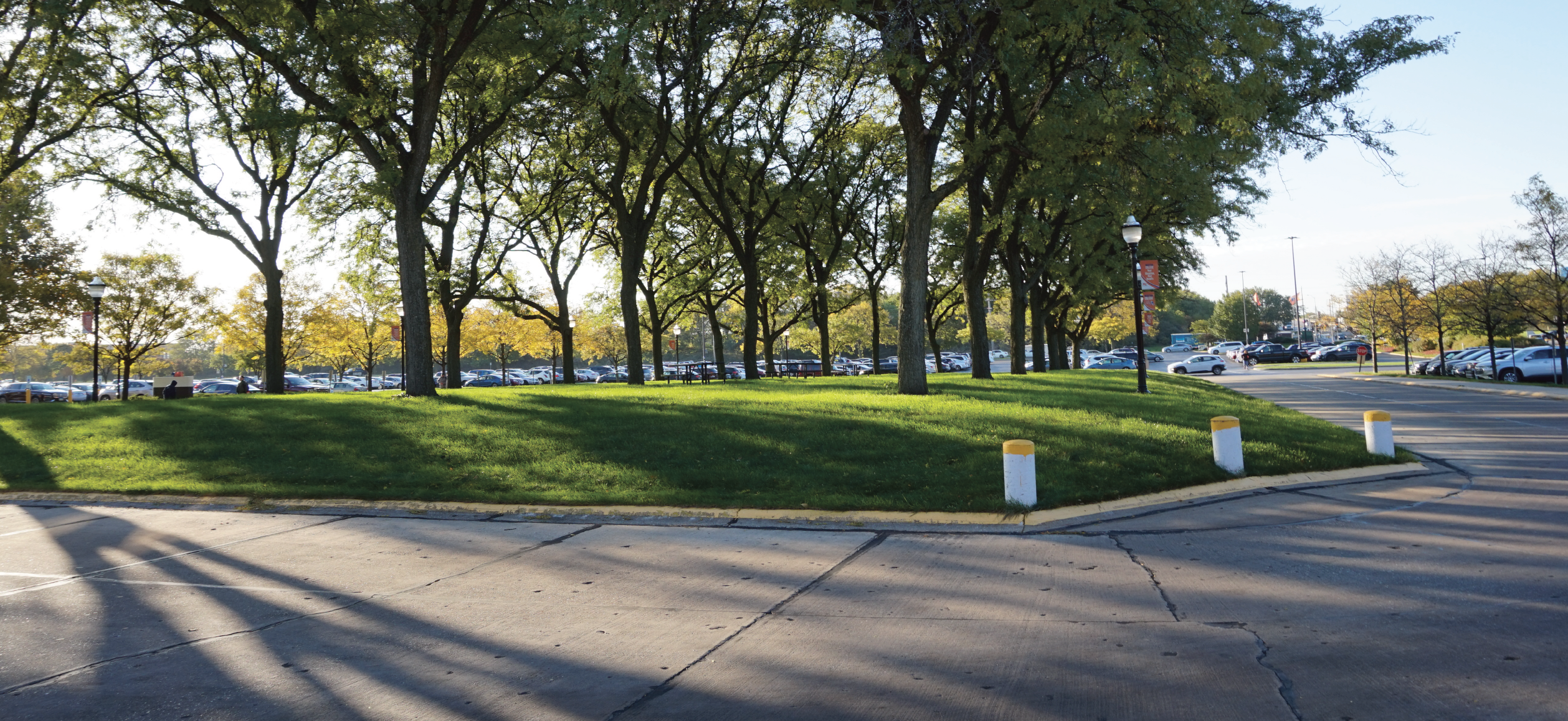
Primera’s lighting and electrical design services supported upgraded exterior lighting systems that meet new program requirements while improving safety, energy code compliance, and the overall nighttime campus experience. In addition, civil and landscape architecture services were provided for stormwater management improvements designed to address nearby community flooding concerns and comply with Metropolitan Water Reclamation District permitting requirements. These strategies include bioinfiltration areas, or rain gardens, that capture and gradually infiltrate stormwater runoff. Native and adaptive plantings were selected to promote stormwater uptake, support habitat for birds and insects, and provide opportunities for student study and research.
Photo Credit: Hitchcock Design Group